
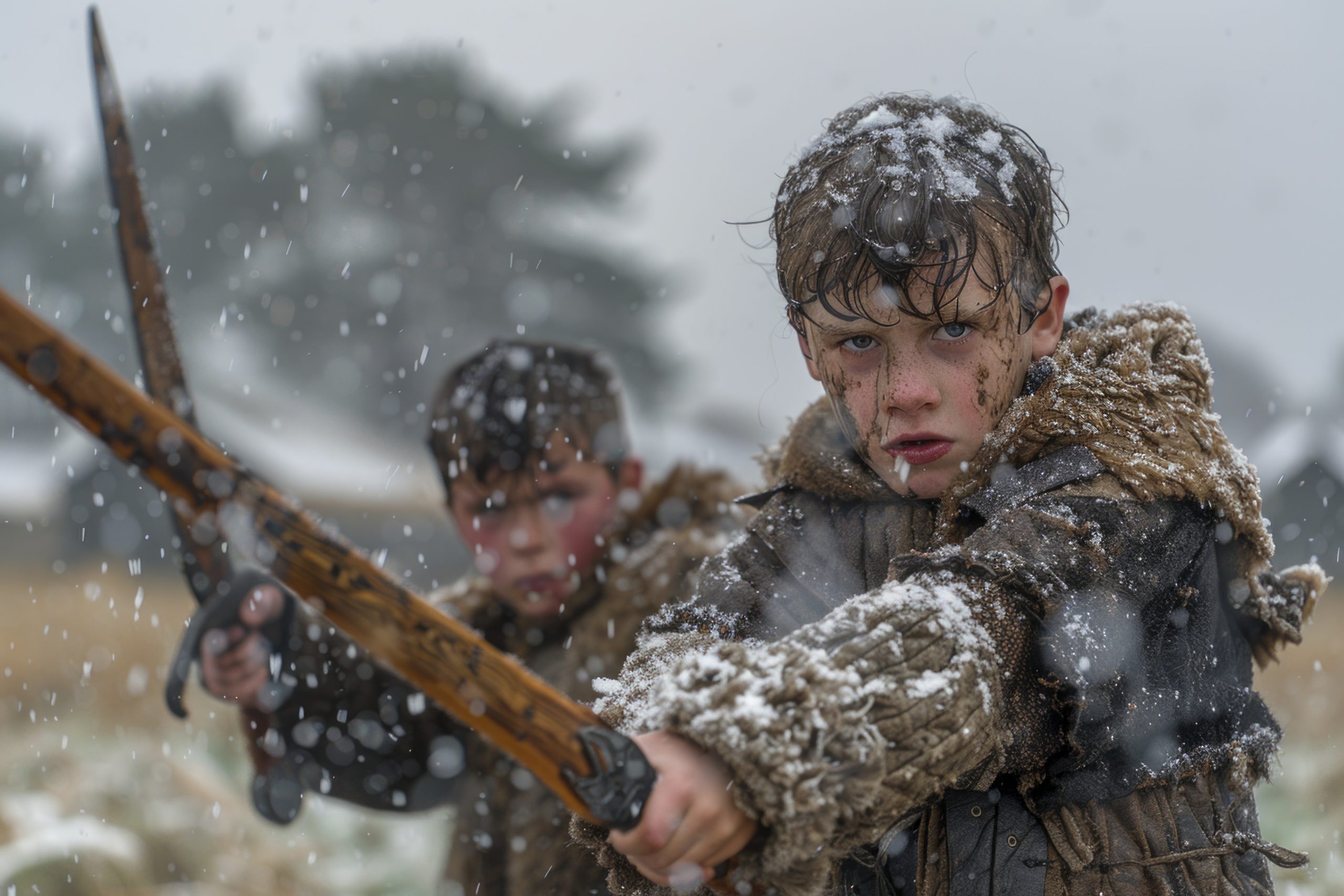
The North has always carried a certain feeling in stories. It often seems colder, harsher, and more distant than the lands around it. Snow-covered mountains, dark forests, frozen rivers, and long winters naturally create a setting where survival is never easy.
Because of that, the North has become closely tied to stories about war, invasion, struggle, and endurance. It is a place where people are often pushed to their limits, and where even simple choices can carry serious consequences.
Harsh Land Creates Strong Stories
A difficult landscape immediately raises the stakes.
In a northern setting, travel can be slow, food may be scarce, and the weather can change without warning. Armies cannot simply move wherever they please. They must think about frozen roads, dangerous passes, weak supply lines, and exhausted soldiers.
These problems make war stories feel more real. Victory depends on more than strength. Leaders must understand the land, prepare carefully, and know when to move forward or pull back. The setting becomes part of the conflict. Snow, wind, darkness, and distance can be just as dangerous as an enemy with a sword.
The Edge of the Known World
The North is often described as a borderland. It sits far from the capital, the center of power, or the places where laws are made. That distance creates tension.
People living near the northern border may feel forgotten or poorly defended. They may believe rulers in the south do not understand their needs. At the same time, leaders in the capital may see the North as wild, difficult, or impossible to control.
This gap can lead to anger, rebellion, and mistrust. It can also make the North the first place where trouble begins. Raiders, rival kingdoms, and unknown forces often appear at the edge before anyone in the center realizes how serious the danger has become. That makes the North a natural starting point for stories about war.
Survival Shapes the People
People who live in harsh conditions are often written as tough, practical, and deeply connected to their communities.
In northern war stories, survival is usually not a private matter. One person cannot easily face winter, hunger, or attack alone. Families, villages, and clans must depend on one another. This creates strong themes of loyalty and duty. Characters may fight not because they want glory, but because they need to protect their land, their people, and their way of life.
War becomes personal. It is not only about crowns or borders. It is about whether homes will survive and whether families will have a future. That emotional weight is one reason northern war stories feel so powerful.
Isolation Creates Fear and Mystery
The North is often shown as a place where news travels slowly and old beliefs remain strong. When villages are separated by mountains, forests, or snow, rumors can spread faster than facts. Strange events become legends. Forgotten ruins gain frightening stories. Unknown enemies appear larger and more dangerous because no one fully understands them.
This sense of mystery works well in stories of conflict. An approaching army is frightening enough, but an enemy hidden by distance and rumor can feel even worse. No one knows how large the threat is, what it wants, or what kind of power it carries. The unknown becomes part of the fear.
War Feels Different in Winter
Winter changes the rhythm of war. Cold slows movement, weakens the body, and makes every mistake more dangerous. A torn boot, an empty food sack, or a broken bridge can destroy an army without a battle ever taking place.
Winter also creates strong images. Soldiers standing in snow, torchlight against a dark sky, frozen fields after battle, and distant horns in the mountains all carry a heavy mood. These images make war feel lonely and unforgiving. The cold removes comfort. It forces characters to face what they truly believe and what they are willing to sacrifice.
The North Represents a Test
In many stories, the North is more than a place. It is a test. It tests rulers who claim they can protect the whole realm. It tests soldiers who believe they are brave. It tests communities that must decide whether to stand together or turn against one another.
The North often reveals weakness that was already there. A divided kingdom may ignore its problems during peaceful times, but war brings every hidden crack into view. Old grudges return. Weak leaders are exposed. Loyal people are forced to choose a side.
That is why the North works so well in stories about power. It does not create every conflict, but it brings buried conflict to the surface.
Conclusion
The North has inspired war stories for generations because it combines danger, beauty, distance, and survival in one unforgettable setting. Its harsh landscapes raise the stakes, while its isolated borders create room for mystery, rivalry, courage, and sacrifice.
Readers who enjoy these themes can step into a richly imagined northern conflict in Abria: The Northern War by Kendell Rogers Cunningham, an epic fantasy shaped by war, divided loyalties, ancient power, and a kingdom fighting for its future.