
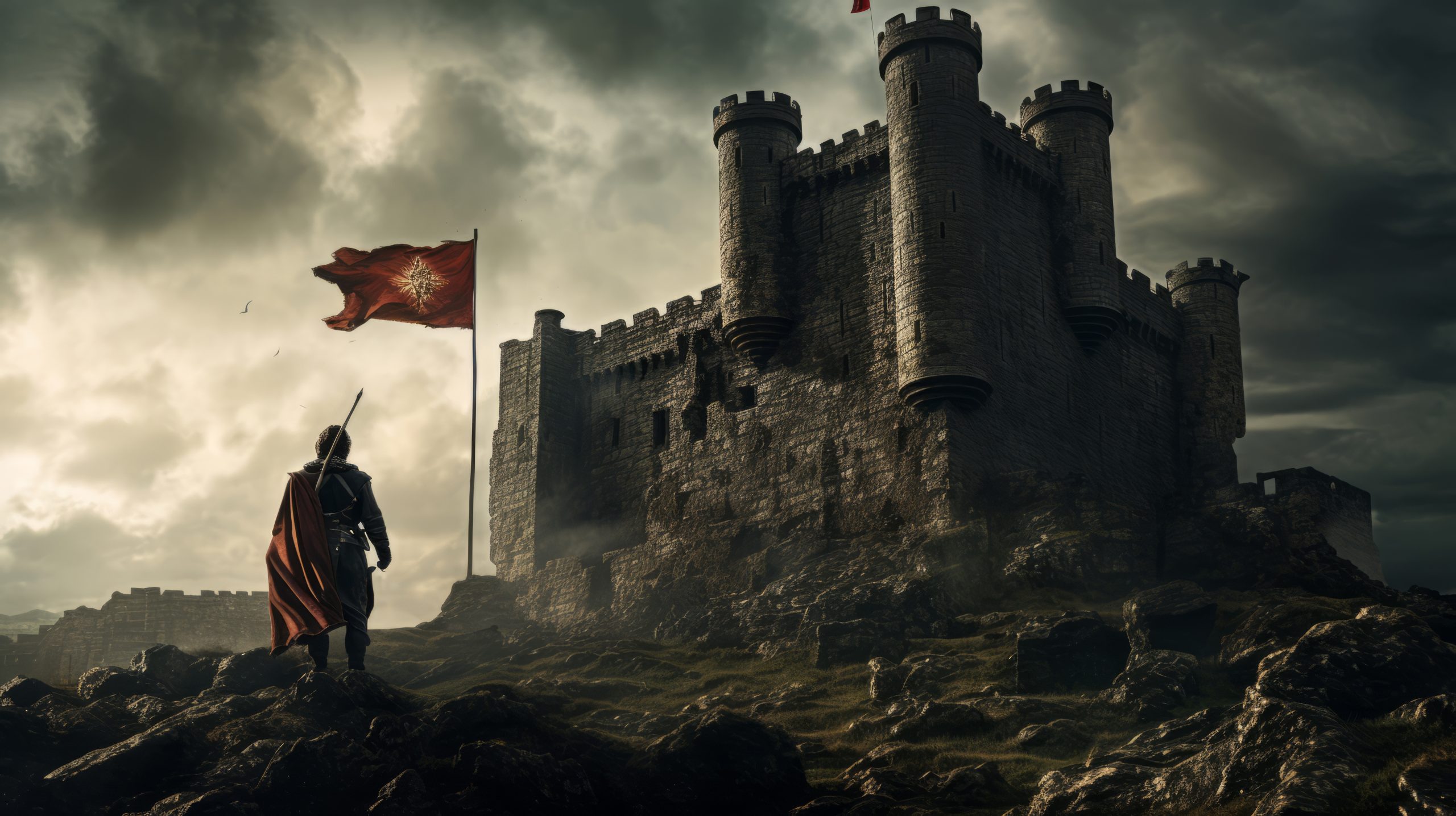
A kingdom may look strong from the outside, with high walls, a large army, and a ruler sitting on the throne. But real strength depends on what is happening inside. When leaders, nobles, regions, or communities stop trusting one another, the whole realm becomes easier to weaken.
A divided kingdom reveals something important about power: control is not the same as unity. A ruler may give orders, but those orders mean little if people no longer believe in the person giving them.
Power Depends on Trust
Trust is one of the strongest foundations of any kingdom. People need to believe that their leaders will protect them, listen to them, and treat them fairly. Soldiers need to trust their commanders. Local rulers need to trust the crown. Communities need to feel that their needs matter.
When that trust begins to disappear, power becomes unstable. A ruler may try to hold everything together through fear, punishment, or force. This may work for a while, but it rarely creates lasting loyalty. People may obey in public while quietly planning against the throne. True power grows when people choose to stand together, not when they are simply forced to remain silent.
Rivalry Weakens the Center
Rivalry often begins with ambition. A noble may believe they deserve more land, influence, or respect. A military leader may think the ruler is weak. One region may feel that another receives better treatment. These feelings can slowly grow into open conflict.
Instead of working toward the same goal, powerful people begin competing with one another. Every decision becomes personal. Every meeting becomes a struggle for control. Even a national crisis can become another chance for someone to gain an advantage. When leaders focus more on defeating each other than protecting the kingdom, the center begins to collapse. Enemies outside the border do not need to create the weakness. They only need to notice it.
Fear Makes People Choose Sides
Fear changes how people think. During peaceful times, people may support the kingdom as a whole. But when war, hunger, invasion, or political conflict appears, they often begin asking a different question: Who can protect me?
That question can divide a realm very quickly. Some people may stay loyal to the crown. Others may support a local lord, a military commander, or a powerful family. Many will simply choose the side they believe has the best chance of winning.
These choices are not always based on honor. Sometimes they come from survival. Fear can also spread through rumor. A single story about betrayal, weakness, or danger may travel faster than the truth. Once people begin expecting conflict, they often act in ways that make conflict more likely.
Competing Loyalties Create Confusion
Loyalty sounds simple until several duties come into conflict. A person may feel loyal to their family, their home, their local ruler, their faith, and their kingdom at the same time. Problems begin when those loyalties demand different things.
A soldier may be ordered to fight people from their own region. A noble may have to choose between obeying the crown and protecting their family’s power. A citizen may support the kingdom but distrust the ruler. These conflicts make unity difficult.
In a divided realm, no one is completely sure who stands with whom. Promises become harder to believe. Alliances may change overnight. Even close friends can end up on opposite sides because they define duty differently. This uncertainty is one of the greatest dangers of internal conflict.
Weak Leadership Creates Openings
A divided kingdom often exposes the difference between holding a title and being a leader. A weak ruler may ignore problems until they become impossible to control. They may refuse advice, favor certain groups, or respond too slowly to danger. They may also focus so much on protecting their position that they forget to protect the people.
When leadership becomes uncertain, others step forward. Some may genuinely want to help. Others may see a chance to claim power. The longer the ruler hesitates, the more space ambitious people have to build support.
Good leadership does not mean having every answer. It means recognizing danger, making difficult choices, and giving people a reason to remain united.
Outside Enemies Benefit from Division
An enemy facing a United Kingdom must fight its full strength. An enemy facing a divided kingdom can be far more patient. They may support one side against another, spread false information, offer secret deals, or wait until the kingdom has weakened itself. Sometimes the greatest advantage comes without a battle.
Internal conflict drains soldiers, money, food, and attention. Borders are neglected. Defenses weaken. Leaders become distracted by personal threats while larger dangers move closer. This is why division can be more destructive than invasion. A foreign army attacks the kingdom from the outside. Rivalry and betrayal destroy it from within.
Unity Does Not Mean Agreement
A strong kingdom does not require everyone to think the same way. Disagreement can be healthy. Different regions, leaders, and communities may have different needs. The danger begins when those differences become more important than the survival of the whole.
Unity means finding a shared purpose even when people disagree. It requires compromise, honest communication, and leaders who can place the kingdom above personal pride. It also requires people to believe that they have a place within the realm.
A kingdom becomes stronger when people feel heard. It becomes weaker when they believe rebellion is the only way to matter.
Conclusion
A divided kingdom reveals that power is never held by the crown alone. It lives in trust, loyalty, cooperation, and the willingness of people to stand together when pressure rises. Rivalry, fear, and competing loyalties can turn even a powerful realm against itself, while strong leadership can give divided people a reason to unite.
Readers drawn to stories of political struggle, contested power, and a kingdom fighting to survive can explore these themes in Abria: The Northern War by Kendell Rogers Cunningham, an epic fantasy where the greatest danger may come from both beyond the borders and within the realm itself.