
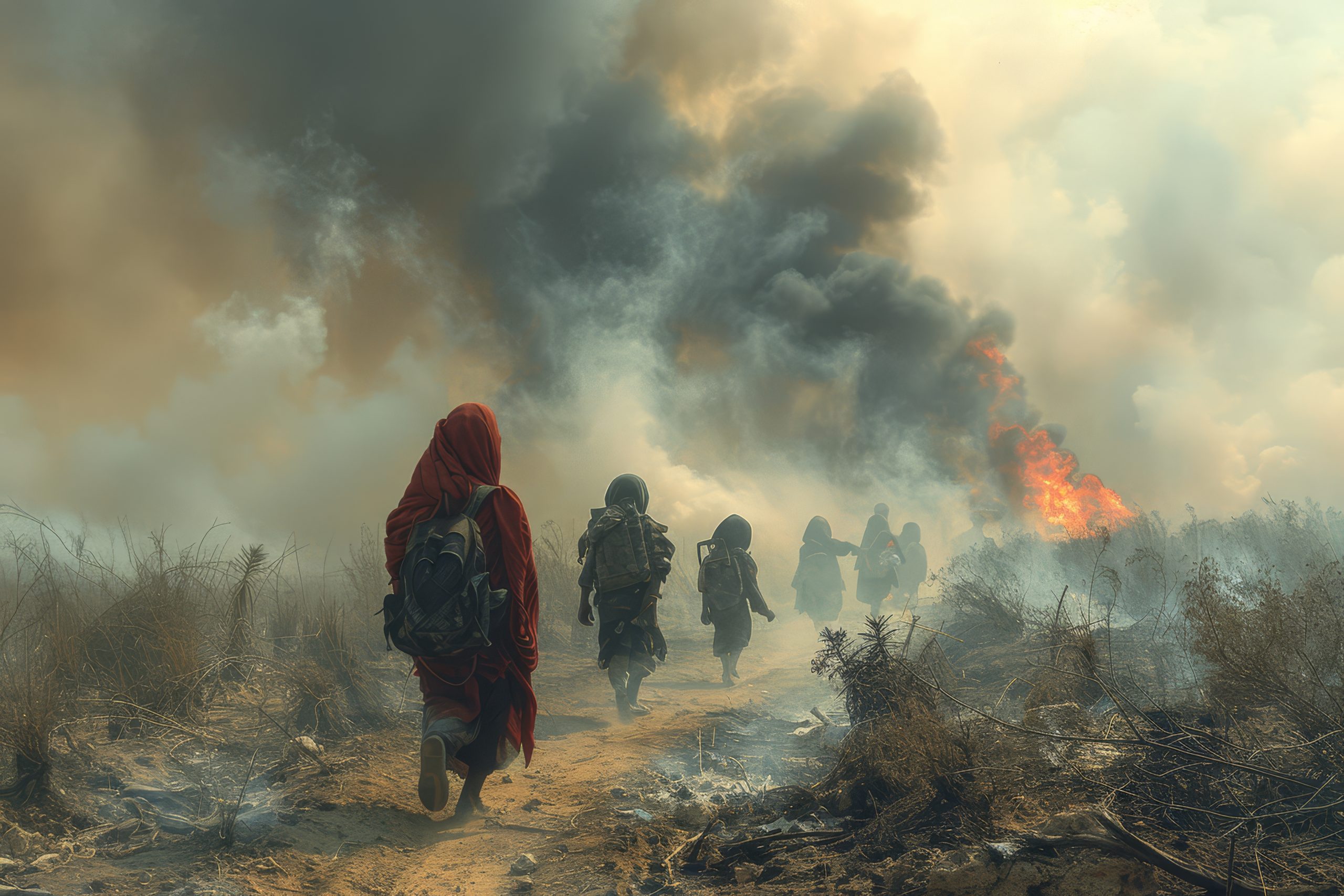
War does more than move armies across a map. It changes the way people live, the way leaders rule, and the way a kingdom sees its future. Even when the fighting happens far from the capital, its effects reach homes, markets, farms, and families.
A realm may enter a war believing it can return to normal once the fighting ends. In reality, war often creates a new normal. Some changes are temporary, but others shape the kingdom for generations.
Leadership Faces Its Hardest Test
Peace allows leaders time to debate, plan, and delay. War removes that comfort. A ruler must make decisions quickly, often with incomplete information. One wrong choice can cost lives, land, or public trust. Leaders must decide where to send soldiers, which towns to defend, how to protect supplies, and when to take risks.
War also reveals character. A leader who once appeared confident may struggle under pressure. Another who was overlooked may become the person everyone depends on. Titles matter less when danger arrives. People begin watching actions instead of listening to promises. They want to know whether their leaders are brave, fair, prepared, and willing to share the burden.
A kingdom may remember a ruler for years of peace, but it often judges that ruler by a few choices made during war.
Communities Learn to Survive Together
War changes everyday life long before an enemy reaches the gates. Families may lose workers to the army. Farmers may struggle to plant or harvest crops. Merchants may face closed roads, delayed ships, or rising prices. Towns may have to shelter refugees from nearby regions.
These pressures can bring people together. Neighbors share food, care for children, help the injured, and protect one another. Communities often discover strength they did not know they had.
But hardship can also cause tension. When supplies run low, people may begin blaming outsiders, local leaders, or one another. Fear makes rumors more powerful, and panic can spread faster than facts. A community’s future often depends on whether people choose cooperation or suspicion.
War Changes the Meaning of Home
Before war, home may feel permanent. People expect streets, fields, houses, and traditions to remain where they have always been. War breaks that sense of safety. A village can become a battlefield. A road once used for trade can become a military route. A castle that once represented pride can become a shelter, a prison, or a final line of defense.
People forced to leave their homes carry more than their belongings. They carry memories, customs, stories, and grief. Even when they return, the place may no longer feel the same. For many, home becomes less about a building and more about the people who survived with them.
The Economy Is Rebuilt Around Survival
A kingdom at war must redirect its resources. Metal that once became farm tools may be used for weapons. Horses may be taken for cavalry. Grain may be stored for soldiers instead of sold in local markets. Roads and bridges may be repaired for military movement rather than ordinary travel.
This can create work for some people, but it can also lead to shortages and unfair prices. Wealthy traders may benefit while common families struggle to buy basic goods. Taxes often rise. Trade becomes dangerous. Entire towns may grow or decline depending on their location. By the time peace returns, the old economy may be gone. New industries, new trade routes, and new centers of power may have taken its place.
Old Divisions Become More Dangerous
War forces people to choose where they stand. Regional rivalries, family grudges, and political disputes may become much more serious when the kingdom is under pressure. Some leaders may support the crown. Others may use the crisis to seek more power. A divided realm can become trapped in two wars at once: one against an outside enemy and another within its own borders.
This is one of the greatest dangers a kingdom can face. Soldiers cannot defend the frontier if they are also watching their neighbors. Leaders cannot plan for invasion if they are worried about betrayal. War does not always create these divisions, but it often exposes them.
New Heroes and New Powers Rise
War changes who matters. A skilled commander may rise from an unknown family. A local leader may become the voice of an entire region. A healer, scout, messenger, or ordinary citizen may perform an act that changes the course of events.
At the same time, old powers may fall. Noble families can lose their influence. Military leaders can replace political advisers. Towns that were once unimportant may become vital because of their roads, ports, or defenses. When the war ends, the kingdom may have a different balance of power than it had before. The people who helped save the realm often expect a voice in what comes next.
Peace Does Not Restore the Past
The end of fighting does not erase what happened. Soldiers return changed. Families grieve those who did not come home. Cities rebuild, but scars remain in the land and in memory. Laws may change. Borders may move. Old alliances may never recover.
Peace is not simply a return. It is the beginning of another difficult period. A wise kingdom learns from the war. It repairs more than walls. It rebuilds trust, supports its people, and asks why the conflict became possible in the first place. A kingdom that ignores those lessons may face the same danger again.
Conclusion
War changes the fate of a realm by reshaping its leaders, communities, economy, loyalties, and hopes for the future. It can destroy what once seemed permanent, but it can also reveal courage, bring new leaders forward, and give people a stronger sense of what they are fighting to protect.
Readers who enjoy stories about kingdoms under pressure, changing leadership, divided loyalties, and the lasting cost of conflict can explore these ideas in Abria: The Northern War by Kendell Rogers Cunningham an epic fantasy where the future of an entire realm depends on the choices made during its darkest hour.